Give your best people more reach
MRLN Core is being built to help companies create digital employees: part machine, part colleague. They work within defined roles, use approved company knowledge, prepare routine work, and bring decisions that require approval to the responsible person.
The car never replaced the driver. It helped the driver go further
Your people choose the destination. MRLN Core is being built to get the work there faster.
Every great company runs on quiet rulesFamiliar responsibilities. A new way to work.
Roles, records, approvals and handoffs. The tools change. The responsibilities remain. Each section below shows how a task was done, and what MRLN Core changes about it. Press the button to see it happen.Defined roles, approved knowledge, clear permissions and structured handoffs give people and digital employees one shared way to work. Switch back any time.
These scenes illustrate how MRLN Core is being designed to work.

Every hire began with a fileA defined role. A clear identity.
A form, a photograph, a signature. Who someone was lived in a folder tied with string.Give each digital employee a role and a defined scope of work. Decide what the role may access, and agree how that information is handled.
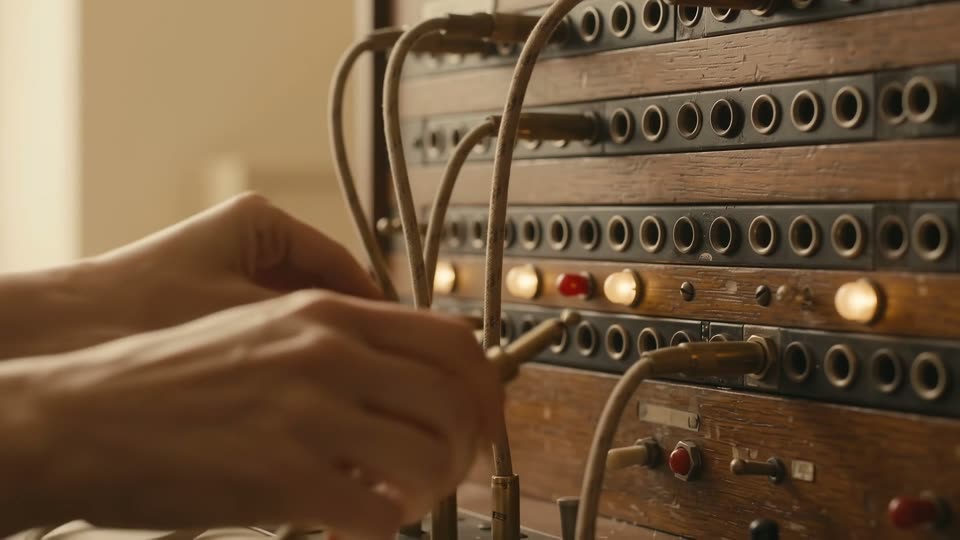
Every call went through the switchboardIt works where your team already talks
Calls, letters and telegrams were routed by hand to whoever might know the answer.Digital employees are designed to live in WhatsApp, Telegram and email. Colleagues and clients message them like anyone else, and approvals happen in the same thread. No new app, no console to learn.

A person was more than a job titleBuilt like a person, not a chatbot
Manner, memories, relationships and judgment came to work with them every day.Each digital employee is designed with its own brain: memory in layers, kept apart from your shared company knowledge. MRLN Core is the nervous system that connects them.
- I01
MannerPersona
How someone spoke, wrote and behaved.How it speaks and behaves with each person.
- II02
The diaryEpisodic memory
What happened, and when.What happened, and when, with the source kept.
- III03
The address bookRelationship memory
Who they knew, and how to talk to them.Who it works with, and the history with each of them.
- IV04
The craftProfessional memory
What years on the job had taught them.What it knows how to do in its role.
- V05
The minutesDecision history
Why each decision was taken.Why each decision was made, and on what basis.
- VI06
The mistakesLessons
What went wrong once, and not again.Errors and corrections it learns from.
- VII07
Today’s deskCurrent context
What was on the desk this morning.What is happening right now.
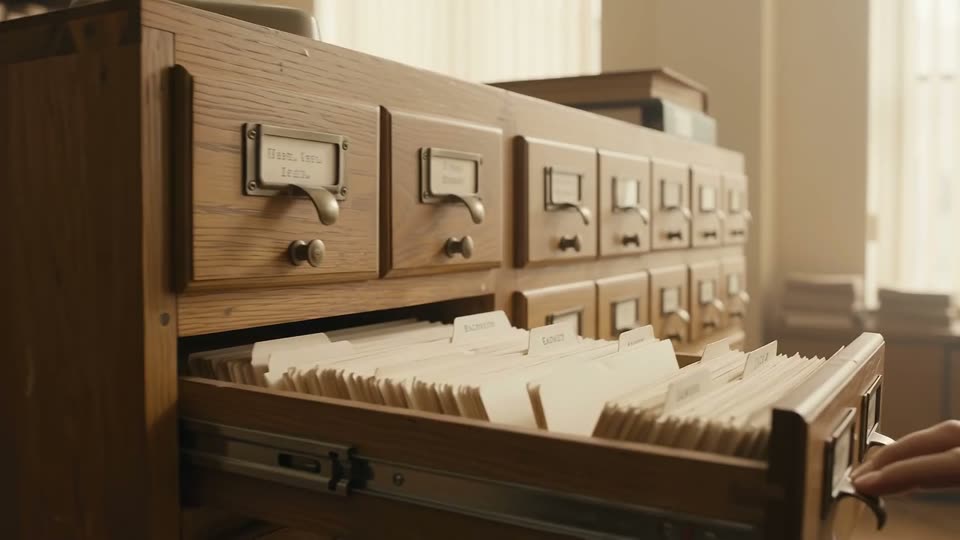
Know-how lived in drawersCompany knowledge, with a source
When someone left, their deals, exceptions and promises walked out with them.Build a shared record from approved emails, documents and past decisions, so useful knowledge stays when people move on. We are building source-linked answers, so your team can check the evidence.

Nothing moved without a signatureClear limits. Human approval.
One approval decided what could happen, and what never would.Set permitted actions and approval points. Payments, commitments and anything you choose stop at the line until a person approves, with action records available for review.

Every document had its routeEach step leaves the work ready for the next
Office to office, by a procedure everyone knew by heart.Digital employees follow the steps you approve, finish their part, hand the work on in a clean state, and flag identified exceptions for the person responsible.

New pen. Same handwriting.Change the model. Keep the working context.
Pens wore out. The handwriting stayed the same.Built to work with models from Anthropic, OpenAI, Google and DeepSeek. We are designing roles, history and permissions separately from the model, so changing models need not mean starting over.

Every letter began on a blank pageChange one condition. The document follows.
Letters, reports and replies were assembled line by line before anyone could decide anything.The digital employee assembles the document. Your people change what matters, and the rest is rebuilt around their decision.
How a new colleague was brought inBring in a digital employee the same careful way
- I01
The interviewChoose one role
Someone sat across the table and asked what the job really was.Pick one role where routine work piles up and the rules are already clear.
- II02
The job descriptionSet the rules
A typed page said what the new hire could and could not do.Decide what the digital employee may see and do, and where a person must approve.
- III03
Handing over the filesConnect approved knowledge
Folders changed hands, along with a few unwritten habits.Select the documents and history it may learn from, and agree how they are handled.
- IV04
ProbationProve it on past cases
Three months to show the work could be trusted.It works through real past cases first, and you compare the result with your team’s.
- V05
Trust, earned slowlyWiden the scope when ready
More responsibility came with every good month.Start with prepared work and approvals. Give it more only when you are confident.
An honest noticeWhat is ready, and what is coming
MRLN Core is in development. Here is exactly what you can do with us today.
Scoping calls
- Free 10-minute calls with the Merlin&Partners team
- One real task from your week, and a suggested next step
Pilots
- One role, one desk, with selected companies
- Your rules, your approved knowledge, human approval throughout
The platform
- Roles and permissions
- Company memory with sources
- Approvals, workflows and model choice
- WhatsApp, Telegram and email channels
Bring us one task. Ten minutes.Find the right first task for a digital employee
Book a free 10-minute scoping call with the Merlin&Partners team. Bring one real task from your week; together we decide whether a digital employee fits it, and what the first step would be.
Or write to office@merlin-partners.com
- A clear view of whether the task suits a digital employee
- Where a person must stay in the loop
- A suggested next step
Contract review, clause 7.2: the payment term is 90 days, against your usual 30 (source: supplier agreement, page 4). Question for you: accept, or ask for 45 days?
This conversation uses prewritten responses. In a real call, we agree confidentiality and data-handling terms before you share any documents.